This blog is based on a 10 minute presentation I gave for network club BNI.
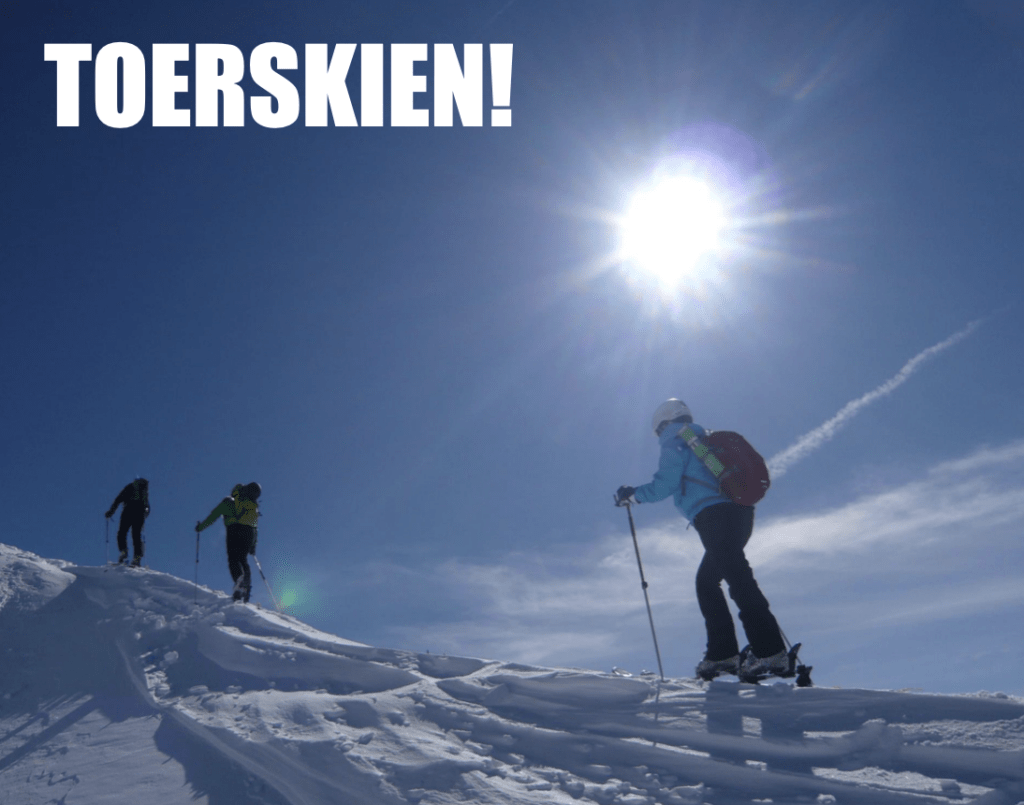
What do our tour through the snow in the mountains (there are no lifts and no slopes) and a project have in common?
Quite a lot actually. Think of the mountain guide as the project manager, who makes the preparations, who consults the local experts about the route and conditions (the plan), who assesses the capabilities of the team members (resourcing), who monitors progress and leads the team.
The mountain guide continuously looks around while walking, like a project manager within the project. He looks at us, the team, whether we are doing well, but also looks at the mountains, for opportunities to make beautiful descents or just to avoid critical routes.
He looks at the sky, pokes at the snow and considers whether there are limitations and risks.
Sometimes the course is suddenly changed because he thinks the risk of avalanche or bad weather is too high.
Sometimes you have to stop. Even though you’re almost there.
once worked with a team on a product for almost 2 years. The latest consumer test showed that the product did not meet customer expectations and that the business case was not feasible.
It is important to communicate well and clearly to the team what the considerations are, because that was such a huge disappointment.
For me as well.
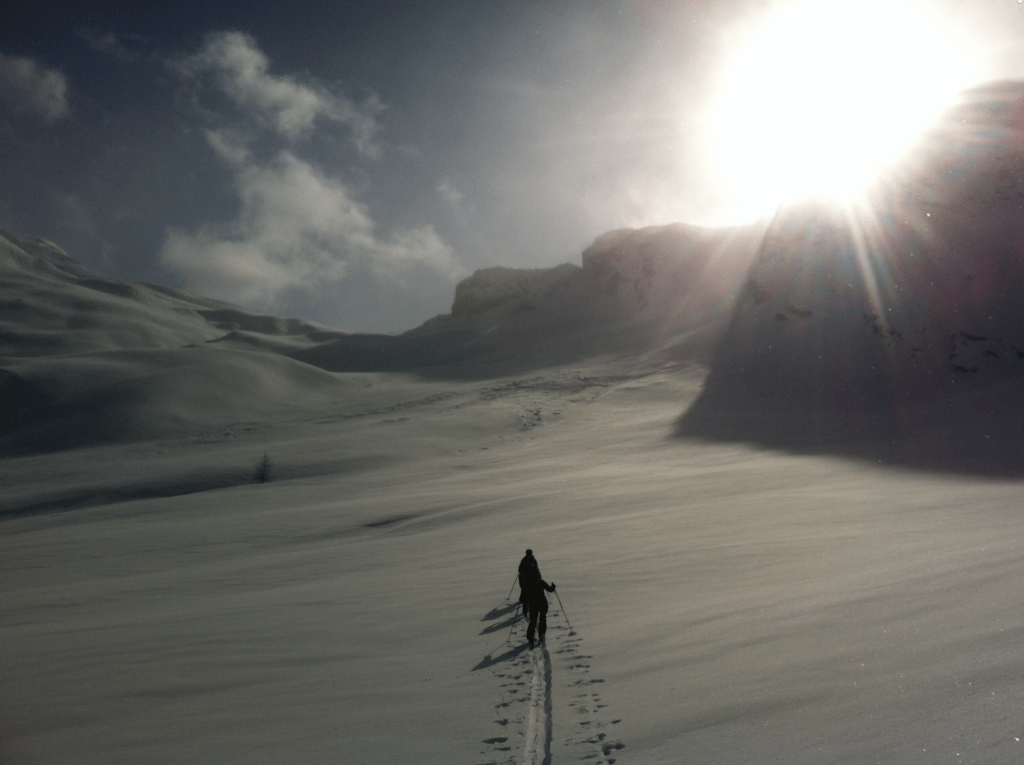
A ski touring trip is like a mini-expedition, like a project in the mountains.
Managing risks is very important on a ski tour and on any project.
If you cannot reduce those risks or keep them manageable, it may be better not to start at all.
If we compare my ski trip with, for example, any medical product development, risk management is essential in both cases, from day 1.
A few years ago I went ski touring with friends. None of us are mountain experts. To reduce the chance of getting into an avalanche (or causing one), we hire a certified mountain guide. He/she estimates for us what is “safe”. Between brackets, because there will always remain some risk.
If we do encounter an avalanche, we have mitigation (control measures) in the form of a beeper. The pager helps to find someone with GPS if they have disappeared under a pack of snow.
We also try to manage risks ourselves by starting the trip as fit as possible (training in advance). If we do get an injury and need help, the special insurance we took will cover it financially. Just in case.
In the case of medical device development the government has already enforced a mandatory risk assessment by requiring certification. You will not pass certification if the risks remain too high and there is no adequate mitigation.
In my opinion, with the current MDR we are going a bit too far and run the risk that no innovation will come onto the market within an acceptable period, but that is a completely different story.
I once worked on a project where our client thought his medical device was close to certification. Unfortunately that was not the case. We were hired to develop additional features. We never got around to that. The product did not meet basic safety requirements.
There was a considerable risk that the patient could be injured. We spent 7 months with 8 people making the product safe. A large part redesign, with continuous coordination about the remaining risks, how we could quickly tackle them and what mitigation was available.
To demonstrate this, we had to submit more than 600 new documents for the reassessment.
So that was not only a product risk, but also a project risk: failure to comply with regulations. Ultimately, this led to having to stop the project. There were no longer any investors willing to provide a budget.
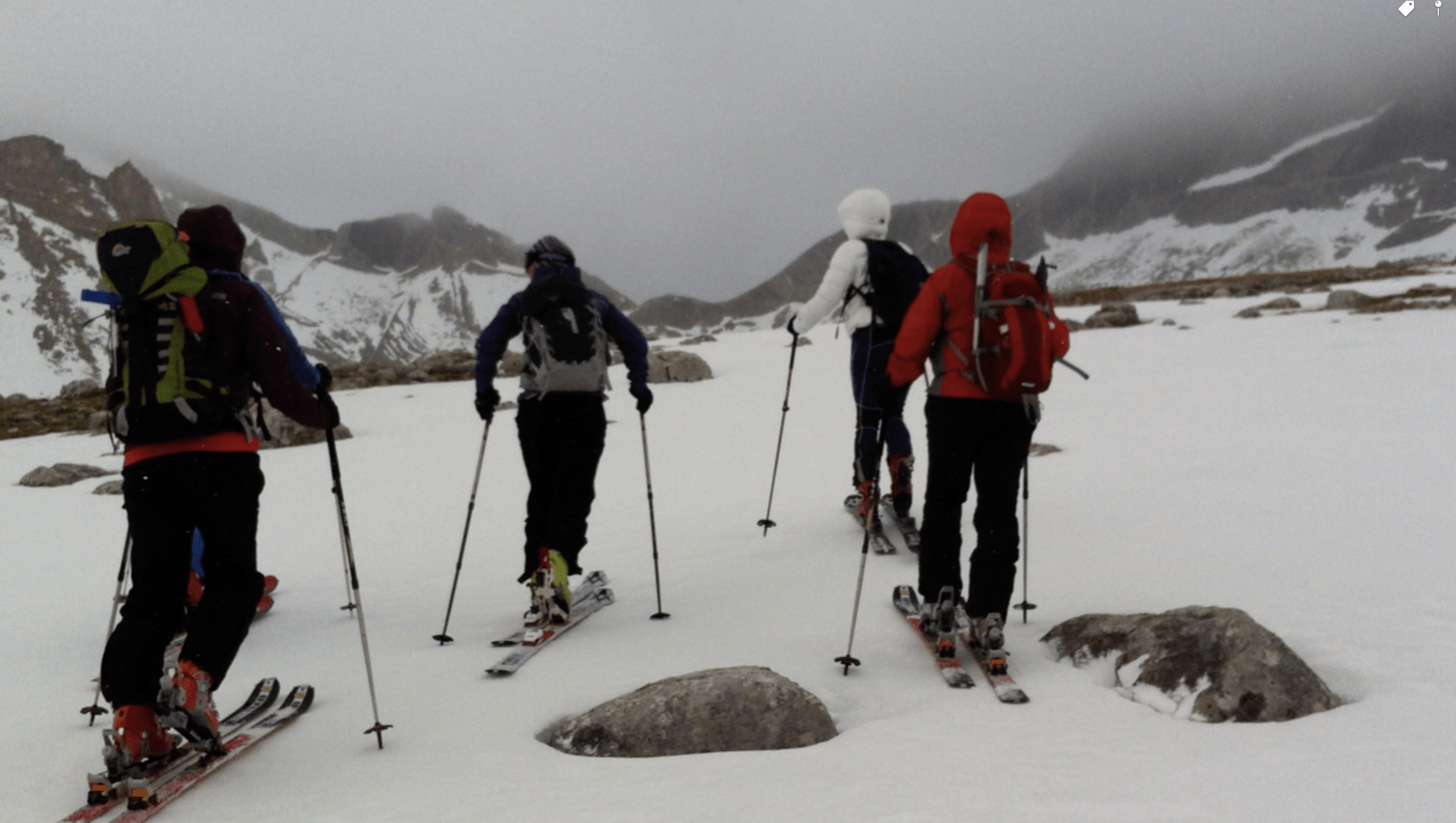
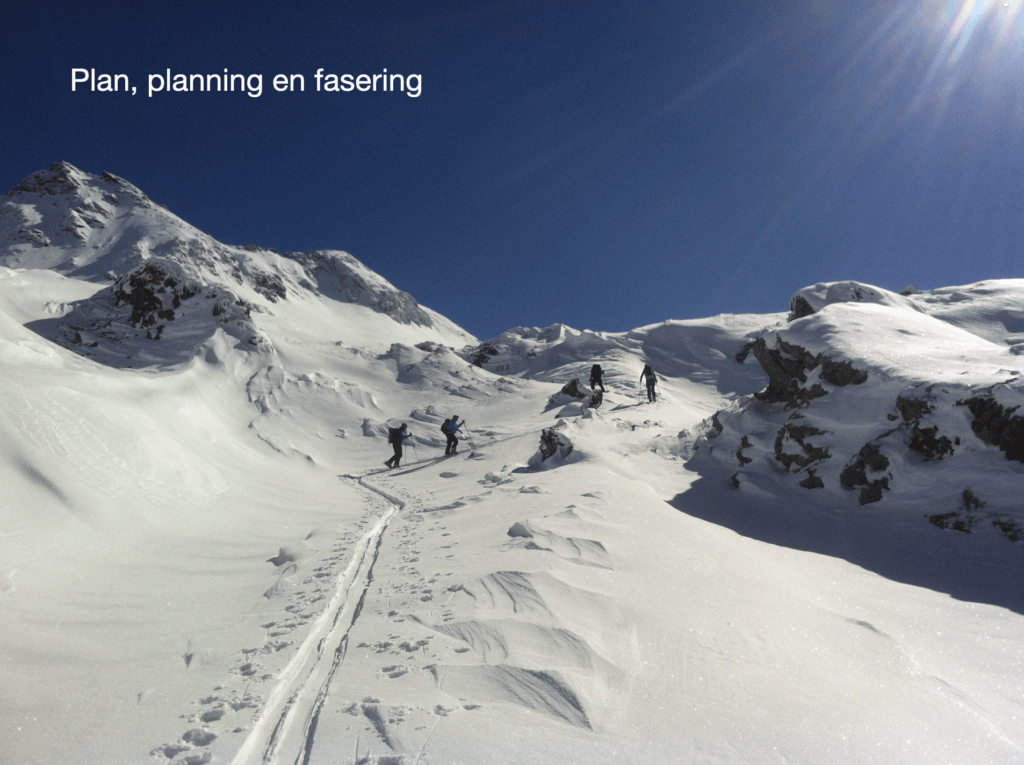
Plan, planning and phasing: this is the goal, this is what we are going to do to achieve it and these are the preconditions.
When planning the ski tour: we will go for 4 days at the end of March, with x budget and counting back – from December on we need to go to the gym to get in shape in for at least 4 months.
For example, in a project: aim is to launch at the end of March next year in a series of 100 units per year in the EU, comply with FDA and European regulations and we must be able to test in at least 3 hospitals.
My job is then to calculate (together with the team) when we should have a first prototype, when we can have a surgeon practice on a steak with the new instrument, how much time we have to optimize the design and when it will be ready to use.
And in parallel, we are preparing production, depending on the phasing we agree on and the hurry we are in.
Just look at the Corona vaccine: there was such a rush that a lot of things were done in parallel, which normally requires far too much risk and money.
My job in a project is to make these kinds of things transparent. Can we accelerate and at what price? Of course, with input from the entire team.
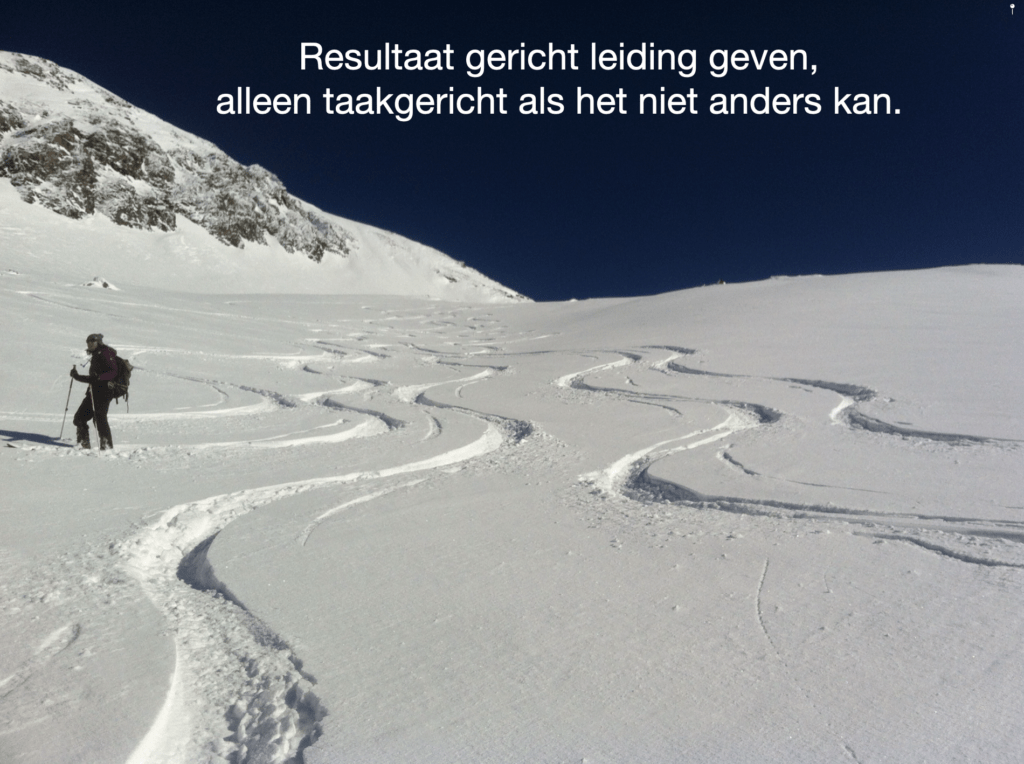
Sometimes the guide tells us to follow his trail exactly when descending, other times he indicates that the entire slope is safe.
In any project, the team and teamwork is the most important part.
Everyone must have the same project goal in mind and activities must be aligned. But I try to have team members manage tehmselves on how to do it. It’s usually not my technical expertise.
The better I know people, the better I know how to manage them and how talents are used.

And then… on again, follow the track
Walking, toiling and silent, one day it runs smoothly, the next day there is pain and fatigue.
like to involve marketers, production engineers, quality managers, end users and other stakeholders early on in the project.
If there are setbacks, it is important in a project team that we can rely on each other and that all crucial expertise is at the table.